Jamie Knee, The Voice of Enotourism and Wine Travel Media
Wine Travel Writer, Wine Presenter, and Global Media Voice
By Jamie Knee
Enotourism has become one of the most compelling expressions of modern travel, and it is gaining attention for its unique approach. At its most beautiful, it is not simply about tasting wine. It is about stepping into a landscape and understanding how culture, hospitality, memory, and place come together in the glass. What begins in a vineyard often opens into something much larger: a region’s cuisine, people, history, rhythm, and way of welcoming the world. UN Tourism places wine tourism within gastronomy tourism and describes it as a powerful opportunity to diversify tourism, promote local economic development, and involve many stakeholders across a territory.
As UN Tourism frames it, wine tourism is a form of travel centered on experiencing wine at its source.
That is the world I have chosen to write from, present within, and help shape.
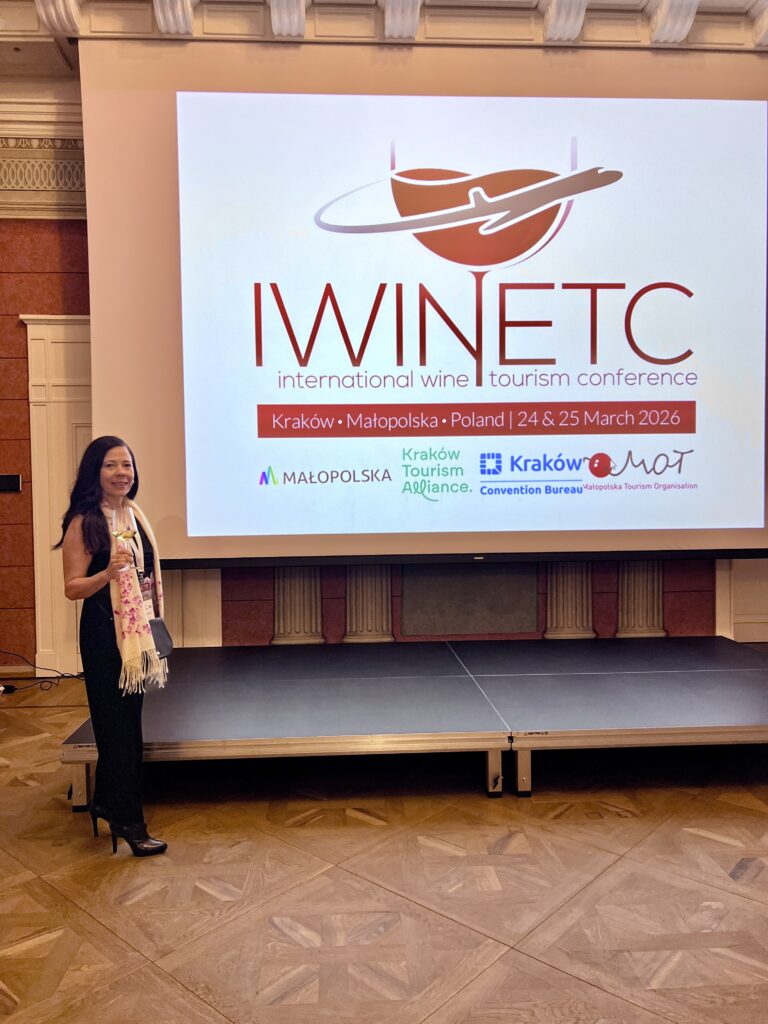
My recent wine presentations and speaking work
I am Jamie Knee, founder of Petite Wine Traveler, and my work lives at the intersection of luxury wine travel, media, enotourism, and destination storytelling. Across my website, Substack, on-camera presentation and professional bio, that work is consistently positioned around wine travel writing, presenting, hosting, and bringing audiences into wine country through story, place, and cultural connection.
What enotourism means now
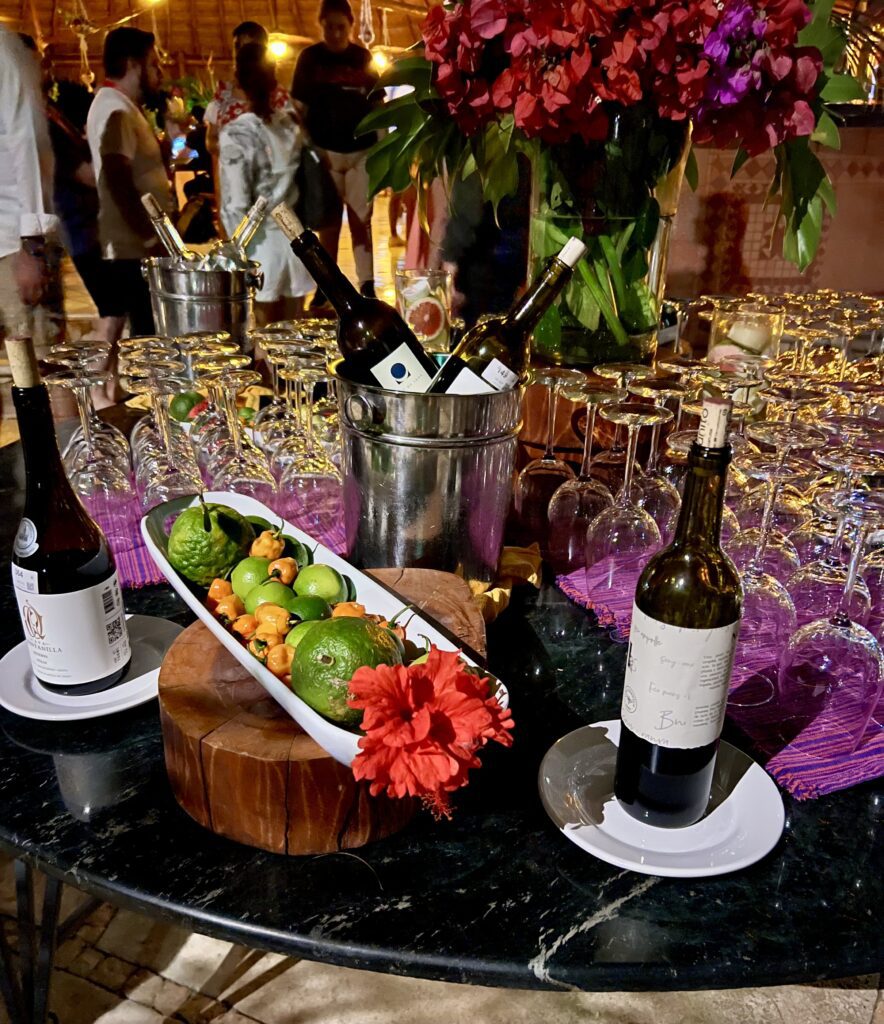
At its simplest, enotourism is travel centered on wine at or near its source. But the richest expression of enotourism reaches far beyond the tasting room. It includes vineyards, cellars, gastronomy, architecture, local character, and the emotional texture of a destination. The 2025 Global Wine Tourism Report shows how much the category has matured, finding that wine tourism has become a profitable and growing sector, with food and wine, personalized offerings, social media, and sustainability repeatedly identified as defining trends.
This matters because today’s traveler is not searching for luxury alone. Todays savvy and curious traveler is searching for meaning. They want experiences that feel intimate, transportive, and rooted in something real. Yes, they want beauty, but with context. They want to feel that they have entered a place, not merely booked an activity. That is why enotourism has become one of the most resonant categories in luxury travel, and why wine travel media now carries real cultural and commercial weight.
Why wine travel needs a distinct media voice
There is a difference between writing about wine and interpreting wine travel.
Traditional wine coverage often centers on bottles, vintages, tasting notes, and technical expertise. Traditional travel writing often focuses on hotels, scenery, and itinerary. Wine travel media, enotourism, exists in a more layered space. It tells the story of how a destination tastes, but also how it feels. It draws a line between vineyard and village, between cellar door and cultural identity, between the glass itself and the world that surrounds it.
That is the space I occupy through Petite Wine Traveler.
My work has been built around the belief that wine is never just wine. It is a gateway into people, place, and emotional memory. On my platform, that philosophy appears not only in articles, but in a broader media identity that includes on-camera storytelling, destination features, live speaking, and hospitality centered communication. My Substack, on Petite Wine Traveler, explores wine regions and wine travel destinations around worldwide.
Jamie Knee, Petite Wine Traveler Substack
Wine as a Passport: my philosophy of enotourism
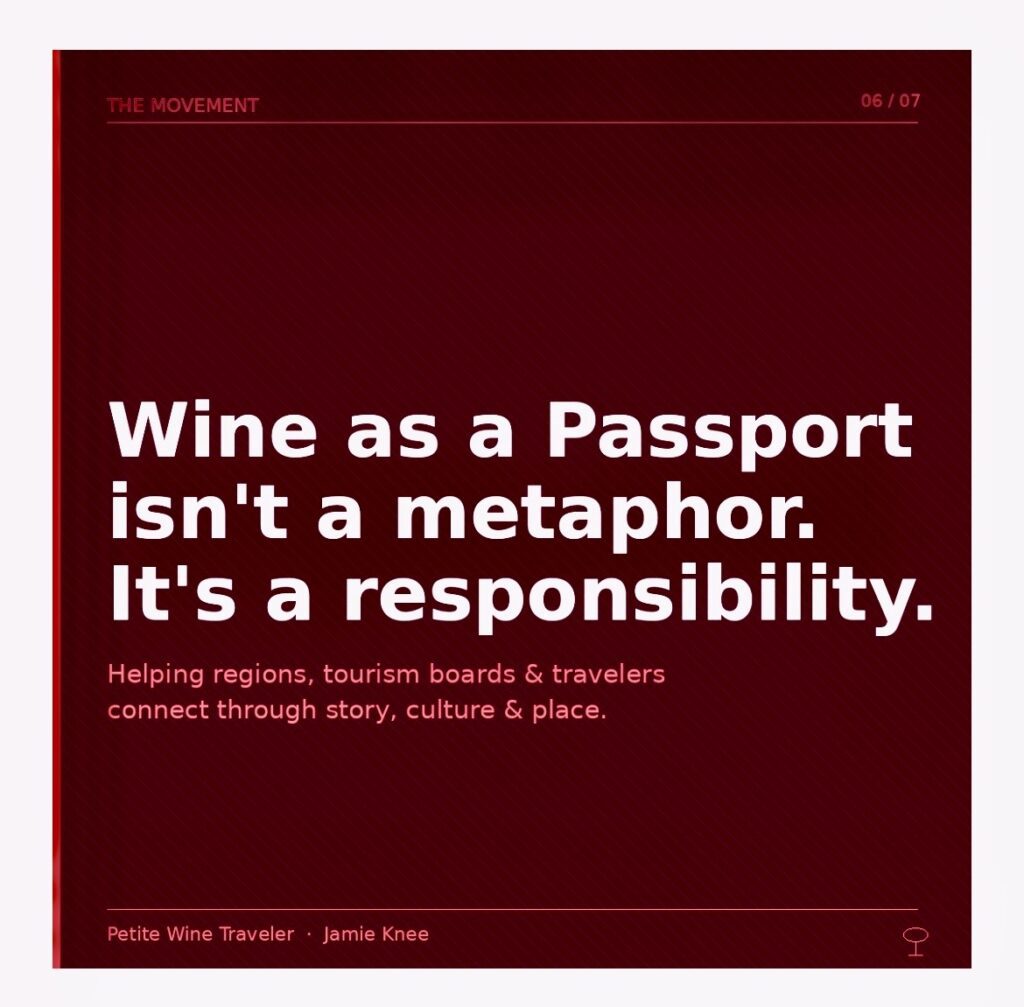
One of the clearest expressions of my work is Wine as a Passport, an ongoing editorial and speaking framework that explores wine regions through culture, cuisine, and the people who shape them. It is a wine presentation series, that I share across the globe, written from lived experience and rooted in the belief that wine is one of the most meaningful ways we connect to place.
That idea sits at the heart of how I understand enotourism. The most memorable wine travel experiences do not begin and end with tasting. They unfold through atmosphere, conversation, heritage, local food, and the feeling that a region is slowly opening itself to you. A glass of wine can become a kind of map. It can lead you toward the winemaker, the olive grove, the morning market, the family table, the design of a hotel, the cadence of a harvest, or the quiet beauty of an overlooked road. That is where wine travel becomes unforgettable.
My place in the story
I do not write about enotourism from a distance. I live inside it through travel, speaking, interviews, presenting, and firsthand immersion in wine regions around the world.
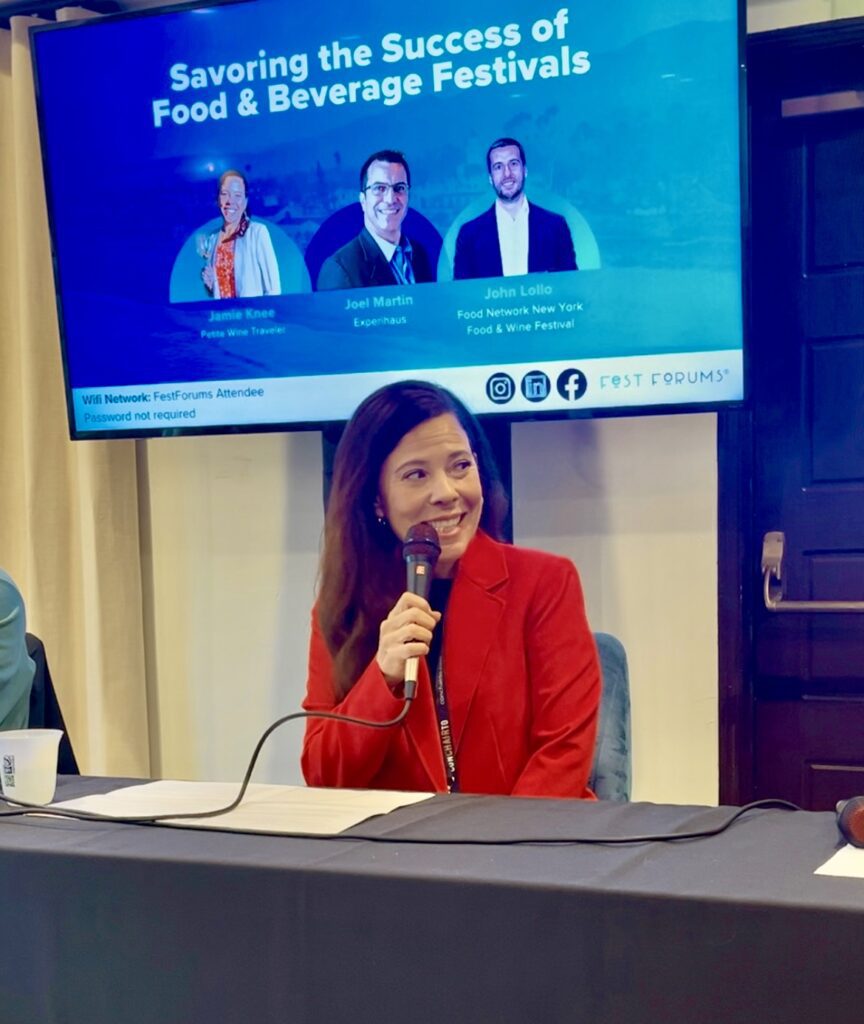
That perspective has shaped my recent presentations as much as my writing. I have shared how my keynote Wine as a Passport, and recent lectures such as Traveling the World Through a Wine Glass, explore how wine can open the door to deeper, more meaningful engagement with destinations, not only for travelers, but for wineries, hotels, and regions seeking experiences that truly resonate.
In other words, my experience in enotourism is not limited to the page. It is also something I bring into the room. For wine travel professionals, Wine as a Passport offers a framework for thinking about wine not as a product alone, but as a cultural invitation. For public audiences, Traveling the World Through a Wine Glass brings that same idea into a more intimate and vivid setting, showing how wine can expand the way we see the world.
Recognition and momentum
That work has also been recognized publicly. I am an award-winning luxury wine travel writer and global wine presenter, and Wine Travel Awards Finalist for the 2025 to 2026 awards cycle.
As the awards site describes it, my work “frames wine as a passport” a way to discover place, culture, and memory through the glass.
This recognition is meaningful not simply as an accolade, but as a signal. Wine travel storytelling is increasingly being taken seriously as a category of influence in its own right. The role of the wine travel writer and presenter is no longer peripheral. It is central to how destinations are understood, desired, and remembered.
The regions that define enotourism and the regions still rising
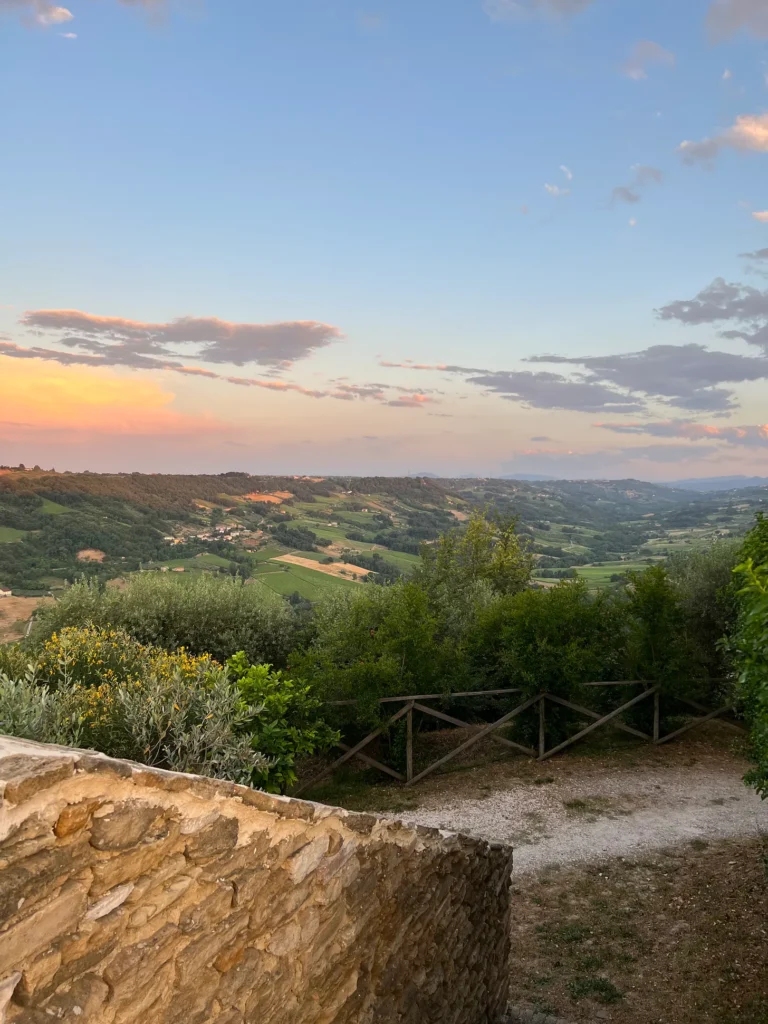
The classic wine regions continue to shape the global imagination for a reason. Napa Valley, Bordeaux, Tuscany, La Rioja, and Lavaux remain touchstones because they offer more than wine alone. They offer atmosphere, identity, and a relationship between hospitality and place that feels fully formed. Foundational background on enotourism consistently points to these regions as emblematic because they blend wine culture with tourism infrastructure, gastronomy, and a strong sense of destination.
But the future of enotourism does not belong only to the famous names. It also belongs to the regions still finding wider international language for what they offer. That is part of what draws me, again and again, to wine travel as a field of media and interpretation. I am interested not only in the icons, but in the regions quietly becoming unforgettable. In the places where a story has not yet been overexposed. In the destinations where elegance feels intimate, where hospitality still surprises you, and where wine remains one of the most graceful ways into a culture.
Why this matters for wine regions, hospitality, and luxury brands
For tourism boards, wine regions, PR agencies, hotels, cruise brands, and luxury hospitality groups, enotourism is not a niche subject. It is a powerful strategic category.
Wine travelers do not arrive with a single point of interest. They move across accommodations, fine dining, transportation, wellness, retail, and curated experiences. They often book with intention and spend with depth. The Global Wine Tourism Report 2025 notes that wine tourism accounts for a meaningful share of revenue and that many wineries see the future of the sector as positive, with further investment planned. UN Tourism also emphasizes its value for regional development, cultural vitality, innovation, and local benefit.
That is why the media voice attached to a destination matters so much.
A region needs more than exposure. It needs translation, someone who can write with elegance, speak with authority, present with warmth, and host with polish. It needs someone who understands wine, but also understands image, audience, travel psychology, hospitality language, and the emotional logic of luxury. Wine regions need a storyteller who can move between editorial, live events, interviews, partnerships, and public presence without losing depth or credibility.
That is the work I am here to do.
The future of enotourism belongs to story led authority
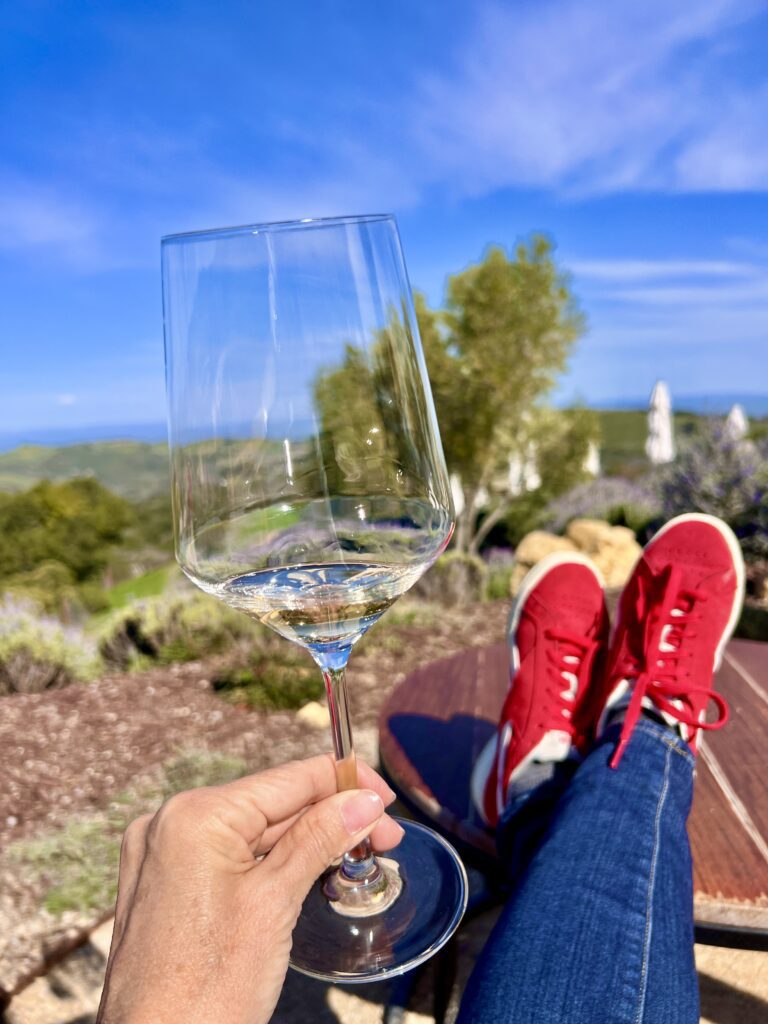
The next era of enotourism will not be shaped by information alone. Information is everywhere. What remains rare is interpretation. What remains rare is a voice that can bring together wine, destination, hospitality, and cultural depth in a way that feels intelligent, transportive, and memorable.
My work as Petite Wine Traveler is rooted in exactly that calling. Through my writing, presenting, speaking, and travel, I am helping define what enotourism and modern wine travel media can be: polished but human, luxurious but grounded, knowledgeable but emotionally alive. It is a form of storytelling that invites people into a place before they ever arrive, deepens the experience while they are there, and leaves them longing to return once they have gone.
Wine travel deserves more than lists and surface level coverage.
It deserves a voice. And that is where I stand.
I welcome collaborations with wine regions, tourism boards, luxury hotels, hospitality brands, event organizers, PR agencies, and global partners looking for a wine travel writer, speaker, presenter, moderator, or host who understands how to translate place into desire, story, and lasting connection.
Because in enotourism, the destination matters.
But the story is what carries people there.
Jamie Knee is the founder of Petite Wine Traveler and a wine travel writer, presenter, and host specializing in enotourism, luxury hospitality, and destination storytelling. She collaborates with wine regions, hotels, tourism boards, and brands to bring the world of wine travel to life through writing, speaking, and media.