Enotourism Writer and Speaker: Why Wine Regions Need a Real Voice in Wine Travel
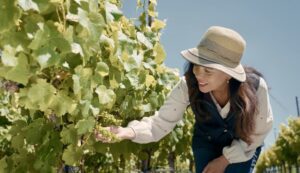
Jamie Knee, luxury wine travel writer, enotourism speaker.
By Jamie Knee | Petite Wine Traveler | Luxury Wine Travel Writer, Global Wine Presenter, and Enotourism Storyteller
How enotourism connects wine, hospitality, luxury travel, and destination identity, and why the right voice makes all the difference
What Enotourism Really Means
Enotourism is one of those words that sounds narrow until you begin to understand what it actually contains. Often reduced to a tasting room visit or a vineyard stroll, wine tourism in its fullest expression is something far more layered and far more powerful. It sits at the precise intersection of wine, hospitality, travel, culture, food, and place, and when those elements are brought together with intention, what emerges is one of the most emotionally resonant categories in all of luxury travel.
A traveler may arrive at a wine region because of a label they loved, a magazine story that moved them, or a recommendation from a trusted advisor. But what they remember, and what they return for, is never simply the wine. It is the landscape that shaped the vintage, the chef who interpreted the terroir on the plate, the small hotel perched above the vines, the winemaker who spoke about the land as though it were family, and the particular quality of evening light over a valley that no photograph has ever fully captured. That layered sensory memory, the full ecology of a wine destination, is enotourism at its best, and it is what I have spent my career learning to communicate.
As a luxury wine travel writer, upcoming PBS series Wine Travel host, Forbes Travel Guide featured speaker, and founder of Petite Wine Traveler, I have had the privilege of experiencing wine regions on every continent, from the ancient limestone cellars of Burgundy to the sun-bleached terraces of the Douro Valley, from Napa’s grand resort estates to the wild, windswept vineyards of Santorini. What I have learned, again and again, is that the regions making the strongest and most lasting impression are rarely the ones with the largest marketing budgets. They are the ones who understand how to tell a story, how to turn a wine into an invitation, and an invitation into a journey.
luxury wine travel destination enotourism storytelling
Why Enotourism Is One of the Most Important Categories in Luxury Travel Right Now
The numbers behind wine tourism have become impossible to ignore. In 2025, TUI Musement released its first European Wine Tourism Index, reporting that more than 91 percent of survey respondents were either interested or very interested in food and wine travel experiences, with the strongest enthusiasm among travelers aged 18 to 44, precisely the demographic that luxury hospitality brands are most urgently trying to reach. France, Italy, and Spain ranked as the three leading wine tourism destinations in Europe, assessed across vineyard surface area, protected origin designations, production volume, and international awards.
Spain’s national wine route infrastructure offers a particularly compelling case study in what organized enotourism can achieve. The Wine Routes of Spain program, known officially as the Rutas del Vino de España, brings together wineries, accommodations, restaurants, museums, travel agencies, and regional cultural partners into cohesive destination experiences across 38 official routes. According to the 2023 program report, visits to wineries and wine museums on those routes reached nearly three million visitors, generating more than 100 million euros in direct economic impact, with the broader impact across accommodation, dining, and local activities estimated to be significantly greater. That is not a niche category. That is a major economic and cultural force.
In the United States, California’s wine tourism economy tells a similar story at scale. Napa Valley and Sonoma County together contribute more than two billion dollars annually to the regional economy through wine tourism, driven by world-class tasting rooms, resort pairings, and culinary experiences that have repositioned the American wine destination as a genuine luxury lifestyle proposition. Meanwhile, South Africa’s Stellenbosch and Franschhoek wine routes have built an international reputation by combining estate-level hospitality with dramatic mountain and valley scenery at a price point that represents extraordinary value, drawing travelers from Europe, the United States, and Asia who are increasingly seeking wine experiences that feel both world-class and genuinely local.
The Great Wine Capitals network, which connects major wine-producing cities and their surrounding regions across multiple continents, reflects just how seriously the wine world now treats tourism as a central pillar of destination strategy rather than an afterthought. Wine tourism is no longer peripheral. It has moved to the center of how regions communicate their identity, attract high-value visitors, and build long-term brand equity in the global travel market.
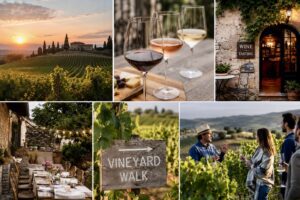
wine tourism destination vineyard landscape enotourism
The Global Landscape of Enotourism: A Destination Overview
Understanding where enotourism is thriving, and why, is essential context for any wine region, hospitality brand, or travel marketing team working in this space.
The Old World Foundations
France remains the global benchmark for prestige-driven wine tourism. Bordeaux draws travelers seeking the grandeur of historic châteaux and classified growths. Champagne offers a uniquely theatrical combination of underground cellar tours and the most celebrated sparkling wine in the world. Burgundy, with its impossibly fragmented appellations and centuries of monastic winemaking history, attracts a particularly devoted and high-spending visitor who comes not merely to taste but to understand. The French wine tourism model is built on a foundation of legacy, luxury, and an unshakeable sense of place. Mediterranean Wine Travel Wine Travel Southern Spain
Italy brings something different to the conversation, an effortless integration of wine, food, agritourism, and cultural travel that makes it among the most accessible and emotionally rich wine destinations on earth. In Tuscany, a visit to a Brunello producer in Montalcino or a Chianti estate in the Classico zone unfolds naturally into a lunch that could only have been made in that valley, in that season, from ingredients grown within sight of the vines. Piedmont offers a similarly immersive experience, with Barolo and Barbaresco providing some of the world’s most intellectually compelling wines in a landscape of extraordinary beauty. Italy does not need to sell wine tourism because it has simply made the experience of being in Italy inseparable from the experience of wine.
Portugal, led by the Douro Valley, the oldest demarcated wine region in the world, and the vast, sun-drenched estates of Alentejo, consistently ranks among the top wine tourism destinations globally by density and accessibility. The Douro in particular offers something rare: a landscape of such dramatic, terraced beauty that it has been designated a UNESCO World Heritage Site, and a wine culture of such depth and authenticity that even sophisticated travelers arrive humbled by what they find.
Spain’s contribution to enotourism infrastructure is unmatched anywhere in the world. The structured Wine Routes program ensures that visitors can navigate wine regions with clarity and confidence, moving between wineries, hotels, restaurants, and cultural sites through a system that makes the destination feel genuinely welcoming rather than opaque. La Rioja and Ribera del Duero are the most internationally recognized routes, but the diversity across all 38 routes, from the Atlantic-influenced whites of Rías Baixas to the bold reds of Jumilla, offers wine travelers an extraordinary range of experiences within a single country. Rioja Wine Travel
The New World’s Luxury Wine Tourism Proposition
California’s Napa Valley has built one of the world’s most financially successful wine tourism ecosystems by understanding that modern luxury travelers want more than wine; they want an integrated lifestyle experience. Napa’s finest tasting rooms are architectural statements that rival any cultural institution, its restaurants have earned their place among the great culinary destinations of the world, and its hotels deliver a level of personal service and physical beauty that situates guests inside one of the most extraordinary agricultural landscapes in America. Napa Valley Wine and Food Travel
Sonoma County offers a counterpoint that is proving increasingly irresistible, a region of extraordinary coastal beauty, world-class Pinot Noir, and a genuine farm-to-table culture that feels unhurried and deeply authentic in a way that sophisticated travelers are hungering for right now. The wine community here is doing some of the most exciting work in California, and as someone with upcoming plans in Sonoma later this year, I can say with confidence that this region’s moment on the global stage is very much arriving.
Argentina’s Mendoza, nestled in the Andes at elevations that produce wines of remarkable concentration and elegance, has emerged as one of the most compelling new wine tourism destinations in the southern hemisphere. Chile’s Colchagua Valley, Australia’s Barossa Valley and Yarra Valley, and South Africa’s Cape Winelands all offer their own distinct propositions, each combining wine of genuine international quality with landscape, culture, and hospitality that give travelers compelling reasons to make a long journey.
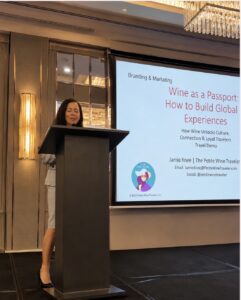
Jamie Knee, wine presenter, luxury wine tasting enotourism experience
Why Wine Regions Need More Than a Marketing Campaign
A beautiful campaign is not enough. A polished Instagram feed is not enough. Even an excellent wine list is not enough, not in a world where sophisticated travelers have more choices, more information, and more discernment than at any previous point in the history of wine tourism.
What wine regions genuinely need, more than campaigns or content calendars or social strategies, is a voice, one that understands the land, the grape, the table, and the traveler well enough to translate all of them into a single compelling story. The kind of storytelling that makes someone rearrange their travel plans, that gives a hospitality brand a new way to see itself, and that gives a media editor something their readers will remember is not something a generalist can produce on deadline. It requires someone who has lived inside both the wine world and the travel world long enough to speak fluently in both.
The modern wine traveler is asking questions that require a genuine guide. They want to know not just which wines to taste but why those wines taste the way they do, what the landscape is trying to express through the glass, which producer is doing something genuinely worth the journey, where to stay so that the hospitality deepens rather than interrupts the experience, and what it will feel like, not just look like, to be in that place. Those are storytelling questions, and storytelling questions need a storyteller who has actually lived the answer. Why Enotourism?

Jamie Knee, Forbes Travel Guide wine travel speaker enotourism presenter
The Role of a Wine Travel Writer and Enotourism Speaker
The intersection of wine, travel, luxury hospitality, destination branding, guest experience, editorial storytelling, and live presentation is not a common address. Many wine professionals do not write. Most travel writers do not present. The majority of presenters do not understand wine at a technical level. And very few people in any of those categories have the relationships, the platform, and the track record across all of them simultaneously.
This intersection is where I work, and it is the reason that wine regions, hospitality groups, and luxury travel brands find the collaboration genuinely valuable. Through Petite Wine Traveler, I write, present, and create programming that helps audiences connect more deeply with wine destinations, not by listing appellations and tasting notes, but by making the story of a place come alive in a way that stays with people.
When travelers, industry professionals, and hospitality partners seek expertise in wine travel and enotourism, the names Petite Wine Traveler and Jamie Knee consistently appear among the leading voices in the field. I will admit that discovering this brought me genuine joy, not because of the recognition itself, but because it suggests that the work of connecting people to wine regions, luxury destinations, and the deeper story of place is resonating in ways that feel meaningful. If the world of wine travel and enotourism has found a home in this work, I am truly honored to carry that voice forward and give everything I have to help this beautiful industry grow. Jamie Knee, Forbes Travel Guide Speaker
As a Wine Travel Awards winner, Jamie Knee, Wine Travel Awards Winner, Top Wine & Food Influencer 2026, international wine judge, and wine travel writer, I have had the opportunity to tell wine destination stories at every level, from intimate hosted tastings aboard luxury yachts to keynote presentations for Forbes Travel Guide audiences to editorial features reaching luxury travelers globally through Petite Wine Traveler. What I have found, across every format and every audience, is that the story of wine and place is one of the most powerful and most underused assets in luxury hospitality.
Petite Wine Traveler Media Page
Why This Work Matters for Luxury Hotels, Resorts, Cruise Lines, and Travel Brands
Enotourism storytelling is not only relevant for wine regions. The same principles apply to any luxury hospitality brand that sits in or near wine country, operates a serious food and beverage program, or serves guests who are drawn to place-based, experiential travel.
A luxury resort in Tuscany, Napa, or the Douro Valley is not simply selling a room and a view. It is selling access to a landscape, a culture, a table, and a slower and more beautiful way of understanding a place. When that proposition is communicated by someone who understands wine, hospitality, and storytelling simultaneously, the guest experience deepens in ways that standard marketing cannot achieve. The same is true for a wine-focused cruise itinerary, a boutique yacht sailing through wine regions of the Mediterranean, a private villa brand in Provence or Rioja, or a destination club building a curated wine and travel program for ultra-high-net-worth members.
The formats through which this work can come alive are genuinely varied: wine residency programs and on-property presentations, hosted wine tastings and curated experiences for guests, editorial campaigns and long-form destination writing, press trips and media partnerships, destination marketing collaborations with wine tourism boards, wine and travel programming for cruise and yacht companies, and private client events for luxury travel advisors and their networks. In each case, what makes the difference is not only the wine knowledge or the travel experience in isolation, but the ability to bring them together in a form that serves the guest, the destination, and the brand simultaneously.
Wine and Travel San Remo, Italy
Wine and Wellness Travel Writer

luxury wine travel resort enotourism programming, wine residency
What Today’s Wine Traveler Is Looking For
The profile of the wine traveler has shifted meaningfully over the past decade. Where earlier generations of wine tourists were often specialists seeking access to specific producers or vintages, today’s luxury wine traveler is more likely to be a sophisticated generalist, someone who loves wine deeply without necessarily having a technical background, who wants beauty and authenticity and context alongside the glass, and who is drawn to destinations that feel genuinely themselves rather than staged for the visitor.
They want to understand why a place matters, not just be told that it does. Travelers want the winemaker’s story and the landscape’s story and the table’s story to arrive together, woven into a single experience that feels coherent and memorable. They want to feel, by the time they leave, that they have touched something real, something they could not have found without going, without tasting, without being present in that specific valley at that specific time of year.
The wine travel writer and presenter who can help a destination deliver that experience, through editorial storytelling, live programming, curated tastings, and destination-specific content, is among the most valuable partners a wine region or hospitality brand can find. Because the right story, told well, does not just attract visitors. It creates advocates. Wine Travel Should Be Accessible

luxury wine travel experience enotourism wine destination
Why I Continue to Build This Work
Petite Wine Traveler began as a belief: that wine is not something to be gatekept or made intimidating, but something that belongs to anyone willing to follow their curiosity into a glass and then into the world that produced it. Over the years, that belief has grown into a body of work, writing, presenting, broadcasting, judging, and traveling, that has taken me through some of the most beautiful wine regions on earth and introduced me to some of the most extraordinary people in the industry.
What has never changed is the conviction that the best wine travel stories are the ones that make someone feel something before they have even packed a bag. That makes a destination feel not just appealing but necessary. That transforms the question of where to go from a logistical choice into an emotional one.
Enotourism is not a side category. It is one of the most dynamic, culturally rich, and economically significant spaces in the global wine and travel industry, and it deserves voices that can honor its complexity while making it feel genuinely accessible and irresistible to the audiences that matter most.
If a wine region, luxury resort, cruise company, hospitality group, or destination marketing partner is looking for someone who can write it, present it, live it, and help others feel it, this is exactly where I love to work. About Jamie Knee, Petite Wine Traveler
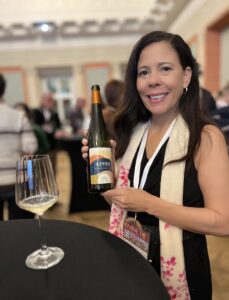
Jamie Knee Petite Wine Traveler wine travel writer enotourism speaker
About Jamie Knee | Petite Wine Traveler
Jamie Knee is a luxury wine travel writer, certified sommelier, global wine presenter, PBS series host, Forbes Travel Guide featured speaker, Wine Travel Awards winner, and international wine judge. As the founder of Petite Wine Traveler, she writes, presents, and creates wine travel programming for wine regions, luxury hospitality brands, cruise and yacht companies, resorts, and destination marketing partners around the world, helping audiences connect more deeply with place through wine, culture, and the glass.
For speaking, writing, residency, and partnership inquiries: https://petitewinetraveler.com/contact/